
Day Fever Upcoming Tours
Discover the latest concert dates, artist blogs, and exclusive entertainment news all in one place. We keep fans ahead of the crowd with up-to-date tour announcements and in-depth stories about top performers from around the world.
 Day Fever
Day Fever Upcoming Tours, Tickets, Setlists And Latest News
Explore Day Fever upcoming tours, ticket details, setlists, FAQs and latest performer news. Use this guide to check concert updates, live-show context and fan planning information before booking.
Why Day Fever Works For Dance Fans
Day Fever is not a singer, band or traditional nightclub brand. It is a daytime party experience built around a simple idea that feels obvious once people try it: why wait until late at night to dance when the same joy can happen in the afternoon? The event has become one of the most recognisable daytime disco concepts in the UK and Ireland, giving adults a way to enjoy big songs, a lively dancefloor and a social night-out feeling without the late-night pressure that often comes with clubbing.
The official Day Fever story says the event began in December 2023 and was created by actress Vicky McClure, filmmaker and broadcaster Jonny Owen, and Jon McClure, frontman of Reverend & The Makers. Its early success came from a very clear audience need. Many people still love going out, singing loudly and dancing with friends, but they do not always want the long queues, late finishes, expensive nights or heavy next morning that can come with normal nightlife. Day Fever takes the energy of a club night and moves it into a more comfortable time of day.
Club Night Format And Ticket Demand
That daytime positioning is the heart of the brand. Day Fever describes itself as the UK and Ireland’s biggest daytime party, and its official mission focuses on timeless tracks, a safe and welcoming atmosphere, affordable ticket prices and giving legendary music venues more life during daytime hours. Instead of trying to be exclusive or intimidating, the event works because it is open, familiar and easy to understand. It is music people know, played in rooms where people are ready to dance from the first big chorus.
The music policy is also part of the appeal. Day Fever says it plays iconic anthems from 1955 through to the early 2000s. That range gives the event a broad emotional language. A crowd might hear classic pop, disco, rock, soul, indie, dancefloor favourites and big singalong records in one afternoon. This is not a specialist underground club night where the audience must know rare tracks to enjoy themselves. The point is recognition. The bigger the chorus, the better the reaction. In that sense, Day Fever feels closer to a huge wedding party, reunion night or community celebration than a strict genre event.
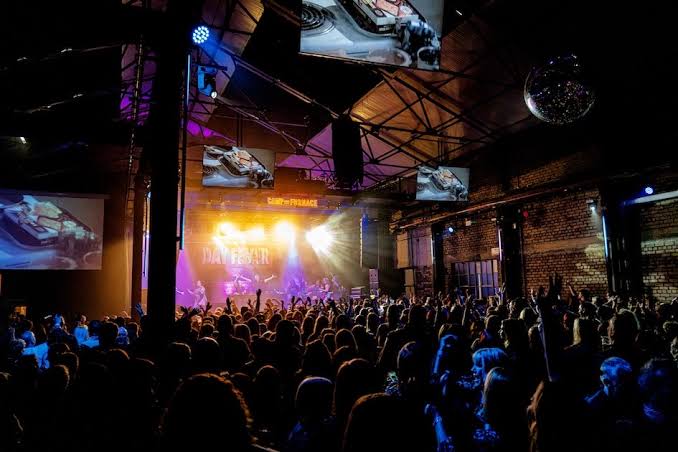
What The Crowd Experience Usually Feels Like
The format also changes the crowd behaviour. Because the party happens in the afternoon and early evening, guests can plan it around normal life. They can meet friends, dance properly, enjoy the atmosphere, then still travel home at a reasonable time. This makes the concept especially attractive to people who love music but no longer want their social life to depend on midnight starts. It also gives older clubbers, parents, professionals and mixed-age groups a fresh way to enjoy venues that might otherwise feel designed mainly for younger late-night crowds.
Day Fever’s rise also says something bigger about entertainment culture. For years, clubbing was often treated as something that belonged to the very young, the very late and the very stamina-rich. Day Fever pushes back against that idea. It shows that people in their thirties, forties, fifties and beyond still want atmosphere, lights, DJs, friends and shared music. They simply want it at a time that suits their lives. This is why the event has been discussed as part of the wider growth in daytime socialising and daytime club culture.
Day Fever Upcoming Tours
Sound, DJ Energy And Party Identity
Another strength is that Day Fever helps venues use their spaces in a different way. The official mission talks about giving legendary music venues a new lease of life during the day. That matters because live venues and clubs face real commercial pressure. A daytime event can bring crowds into buildings outside traditional peak hours, giving venues another revenue stream while keeping dance culture visible. For audiences, it also means they can experience proper music rooms, not just hotel bars or casual pubs, during hours that feel easier to manage.
The event’s touring model has helped it spread quickly. Day Fever is not fixed to one city. Ticketing platforms list events across the UK and Ireland, with 2026 appearances connected to cities and venues such as Glasgow, Newcastle, Sheffield, Nottingham, Chester, Brighton, Lincoln, London, Norwich, Leeds and Liverpool. The schedule changes over time, so fans should always check official ticket links before planning travel, but the important point is clear: Day Fever has moved beyond a single local experiment and become a travelling daytime disco brand.
Planning A Day Fever Night Out
The atmosphere is central to its identity. Day Fever’s promotional language emphasises dancing, laughing, singing and coming as you are. That tone matters because it lowers the barrier for people who may feel awkward returning to a dancefloor after years away. It is not about being cool, having the newest outfit or following a strict scene. It is about release. People go because they want to hear songs that unlock memories and because a room full of people singing together can feel surprisingly emotional.
The Day Fever audience also benefits from the event’s simplicity. There is no complicated storyline, no performer biography to study and no specialist musical knowledge required. The promise is straightforward: daytime hours, classic tunes, a full dancefloor and a friendly setting. That is why it works well for birthdays, group days out, reunions, couples, solo dancers and anyone who wants the feeling of a night out without losing the whole next day. It gives people permission to enjoy themselves without pretending to be younger than they are.
Final Notes Before You Book
As of June 30, 2026, the most accurate way to describe Day Fever is as a current, active daytime disco and touring party experience rather than a performer. It has founders, DJs, venues and a distinctive format, but the real star is the collective crowd energy. The event’s success comes from understanding that nostalgia is not only about looking backward. It can also be a practical social tool: a familiar song can bring strangers together, restart old confidence and turn an ordinary afternoon into something memorable.
The name also works because it communicates the whole offer immediately. “Day Fever” suggests a feverish dancefloor feeling, but during the day rather than after dark. That clarity is useful for search, ticket listings and social sharing. Someone can see the name once and understand the concept. For a modern event brand, that is powerful because audiences are overwhelmed with options. Day Fever cuts through by offering a social promise that is both nostalgic and practical: the songs you love, the dancefloor you miss and a finish time that does not ruin tomorrow.
That practical promise does not make the event quiet or lightweight. The best way to understand Day Fever is as a full-energy party moved earlier on the clock. The crowd still expects loud music, hands-in-the-air moments, packed rooms and emotional singalongs. The difference is that the whole experience is shaped around enjoyment rather than endurance. That balance explains why the brand has been able to grow quickly while keeping a warm, recognisable personality.
For blog, news or event content, Day Fever should be framed as a modern daytime clubbing movement. It is entertainment designed for people who still want music-led joy but prefer a more accessible schedule. Its appeal is not built on mystery. It is built on timing, community, recognisable songs and the relief of being able to dance hard without waiting until midnight. That is why Day Fever has become one of the strongest examples of how the nightlife experience can be redesigned for real adult lives.
Day Fever FAQs
Get ready for the Day Fever live show. Find the best Day Fever tickets, check tour setlists, and get essential venue details. Read our quick fan FAQ to make the most of your Day Fever music concert experience.
What is Day Fever?
Day Fever is a daytime disco and touring party experience, not a traditional performer or band. It gives people a nightclub-style atmosphere in the afternoon and early evening, with DJs playing familiar anthems that make the crowd sing and dance together. The event was created by Vicky McClure, Jonny Owen and Jon McClure, and its official story describes a mission built around classic tunes, a welcoming atmosphere and affordable fun. The idea is simple: enjoy the energy of a night out without waiting until midnight. For readers using this Day Fever page, the safest approach is to treat the answer as a planning guide rather than a checkout promise. Schedules, venues, seat inventory, show formats and public announcements can change, especially when an artist page is connected to active ticket data. That is why this page keeps the profile, ticket context, setlist notes, social links and editorial information together. Fans can understand the Dance/Electronic context, compare recent updates and decide what to check next before making a final booking decision.
Who created Day Fever?
Day Fever was created by actress Vicky McClure, filmmaker and broadcaster Jonny Owen, and Jon McClure of Reverend & The Makers. The official Day Fever story says the idea began with the question of why people should wait until midnight to hit the dancefloor when they could start the party in the afternoon. Their concept quickly connected with audiences who wanted music, dancing and community but preferred daytime hours, easier travel and a less exhausting social experience with familiar songs nationwide. For readers using this Day Fever page, the safest approach is to treat the answer as a planning guide rather than a checkout promise. Schedules, venues, seat inventory, show formats and public announcements can change, especially when an artist page is connected to active ticket data. That is why this page keeps the profile, ticket context, setlist notes, social links and editorial information together. Fans can understand the Dance/Electronic context, compare recent updates and decide what to check next before making a final booking decision.
What kind of music is played at Day Fever?
Day Fever’s official description says its events play iconic anthems from 1955 through to the early 2000s. That means the music can move across classic pop, disco, soul, indie, rock and big dancefloor singalongs, depending on the event and DJ. The focus is not rare club tracks or one narrow genre. The aim is recognition, joy and crowd reaction. Songs are chosen because people know them, love them and want to sing them together in a lively room every time. For readers using this Day Fever page, the safest approach is to treat the answer as a planning guide rather than a checkout promise. Schedules, venues, seat inventory, show formats and public announcements can change, especially when an artist page is connected to active ticket data. That is why this page keeps the profile, ticket context, setlist notes, social links and editorial information together. Fans can understand the Dance/Electronic context, compare recent updates and decide what to check next before making a final booking decision.
Is Day Fever only for older people?
Day Fever is often connected with adults who still love dancing but prefer earlier social hours, yet it is not only for one age group. The event’s strongest appeal is to people who want a friendly, no-pressure party built around songs they already know. Many guests may be in their thirties, forties, fifties or beyond, but the concept is broader than age. It is for anyone who wants a dancefloor experience without the late-night stress of normal clubbing today too. For readers using this Day Fever page, the safest approach is to treat the answer as a planning guide rather than a checkout promise. Schedules, venues, seat inventory, show formats and public announcements can change, especially when an artist page is connected to active ticket data. That is why this page keeps the profile, ticket context, setlist notes, social links and editorial information together. Fans can understand the Dance/Electronic context, compare recent updates and decide what to check next before making a final booking decision.
Where does Day Fever happen?
Day Fever is a touring event brand, so it happens in different venues and cities rather than one permanent location. Current ticket listings show 2026 events connected with UK cities including Glasgow, Newcastle, Sheffield, Nottingham, Brighton, Lincoln, London, Norwich, Leeds and Liverpool, among others. Because event schedules, venues and availability can change, fans should always check official Day Fever links or trusted ticketing pages before booking travel. The brand’s touring model is one reason it has grown so quickly nationwide. For readers using this Day Fever page, the safest approach is to treat the answer as a planning guide rather than a checkout promise. Schedules, venues, seat inventory, show formats and public announcements can change, especially when an artist page is connected to active ticket data. That is why this page keeps the profile, ticket context, setlist notes, social links and editorial information together. Fans can understand the Dance/Electronic context, compare recent updates and decide what to check next before making a final booking decision.
What makes Day Fever different from a normal club night?
The biggest difference is timing. Day Fever moves the feeling of a club night into the afternoon and early evening, so people can dance, socialise and still get home at a reasonable hour. Its music policy also leans toward familiar anthems and big singalong tracks rather than a narrow underground sound. The atmosphere is designed to be welcoming and fuss-free. It feels like a celebration for people who still love going out but want the experience to fit real adult life. For readers using this Day Fever page, the safest approach is to treat the answer as a planning guide rather than a checkout promise. Schedules, venues, seat inventory, show formats and public announcements can change, especially when an artist page is connected to active ticket data. That is why this page keeps the profile, ticket context, setlist notes, social links and editorial information together. Fans can understand the Dance/Electronic context, compare recent updates and decide what to check next before making a final booking decision.
Why has Day Fever become so popular?
Day Fever has become popular because it solves a real social problem. Many people still want music, dancing and crowd energy, but they no longer want late starts, difficult travel home or a ruined next day. Day Fever gives them the fun part of nightlife at a more manageable time. Its use of familiar songs, friendly venues and community atmosphere makes the event easy to understand and easy to enjoy, which has helped it spread across cities and audiences quickly. For readers using this Day Fever page, the safest approach is to treat the answer as a planning guide rather than a checkout promise. Schedules, venues, seat inventory, show formats and public announcements can change, especially when an artist page is connected to active ticket data. That is why this page keeps the profile, ticket context, setlist notes, social links and editorial information together. Fans can understand the Dance/Electronic context, compare recent updates and decide what to check next before making a final booking decision.
Day Fever Recent Setlists
Recent setlists can be edited from the panel or managed in the setlists table.
Jun 26, 2026 Featured Arena, London 6 songs
Opening Moment
Fan Favourite
Acoustic Interlude
Main Set Highlight
Final Singalong
Encore Song
Jun 25, 2026 Featured Theatre, Manchester 6 songs
Encore Song
Final Singalong
Main Set Highlight
Acoustic Interlude
Fan Favourite
Opening Moment