
Evanescence Upcoming Tours
Find Evanescence tours, dates and tickets. Learn about Amy Lee, the Fallen breakthrough, the band’s albums and Sanctuary-era concerts.
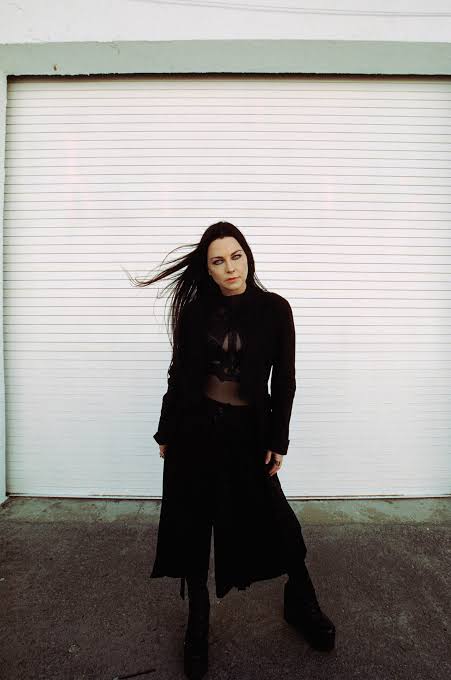 Evanescence
 Upcoming Tours, Tickets and Music Guide
Evanescence history, Amy Lee, Fallen, The Open Door, Sanctuary, Grammy Awards, major songs and live concert ticket information.
Evanescence has remained one of the most distinctive names in heavy alternative music by building songs around a contrast that never loses its impact: Amy Lee's expressive voice and piano writing against distorted guitars, dramatic drums and dark electronic atmosphere.
Founded in Little Rock, Arkansas, in 1994 by Lee and guitarist Ben Moody, the group reached international prominence with its 2003 debut studio album Fallen. “Bring Me to Life,” “My Immortal” and “Going Under” introduced a sound that could be intensely heavy without abandoning melody or vulnerability.
Later records such as The Open Door, Evanescence, The Bitter Truth and the 2026 album Sanctuary expanded that identity through changing lineups and musical directions. The catalogue now encompasses more than one era of alternative rock, while Lee's songwriting remains the central connection.
For listeners interested in Evanescence tours, concerts or ticket information, the band's history explains why its live performances can move from a quiet piano moment to a powerful full-band release without losing emotional continuity.
How Evanescence Began in Arkansas
Amy Lee and Ben Moody formed the earliest version of Evanescence in Little Rock, Arkansas, during the 1990s. Their writing developed from an interest in dramatic, emotionally intense music that did not fit easily into one rock category. Piano melodies, heavy guitars and darker themes appeared before the group became internationally known.
The pair worked on independent recordings and gradually built material that would help define the later band. Those early releases were not the same as a major-label debut, but they gave the music its character: intimate feelings presented on a broad, almost cinematic scale, with a female lead voice positioned firmly at the center.
Independent EPs and Early Musical Ideas
Before Fallen, Evanescence released early EPs and demo recordings that circulated among listeners interested in the group's developing sound. The material demonstrated the tension between Lee's melodic writing and the heavier instrumental arrangements associated with Moody's guitar approach. That contrast became a foundation rather than a temporary experiment.
The early music also explains why the eventual mainstream breakthrough felt more distinctive than a standard rock-radio single. Evanescence already had a set of artistic concerns: grief, fear, emotional conflict, attachment and the desire to escape painful situations. The production became larger later, but the underlying emotional world was present from the beginning.

Evanescence Upcoming Tours
Fallen and an Extraordinary Breakthrough
Evanescence released Fallen in 2003, and the album became a defining success of the period. It combined alternative-metal guitars, gothic atmosphere, piano, strings and instantly recognizable vocal melodies in a way that reached rock audiences and mainstream pop listeners at the same time.
The record includes “Bring Me to Life,” “My Immortal,” “Going Under,” “Everybody's Fool” and other songs that continue to shape the band's public identity. Rather than sounding like a collection designed around one single, the album offers a coherent emotional environment whose strongest moments range from quiet reflection to aggressive release.
“Bring Me to Life” and the Power of Contrast
“Bring Me to Life,” featuring guest vocals from Paul McCoy, became the band's signature breakthrough track. Its introduction immediately establishes a dramatic setting, while the combination of Amy Lee's voice, guitars and the additional vocal part produces a sharp contrast between different kinds of intensity.
The song reached an enormous international audience and won the 2004 Grammy Award for Best Hard Rock Performance. Its success helped demonstrate that heavy music with orchestral and piano elements could cross into mainstream pop culture without abandoning the musical qualities that made it distinctive.
“My Immortal” Revealed the Other Half of the Sound
“My Immortal” is important because it makes clear that Evanescence was never defined solely by distortion. The song allows piano and voice to carry the emotional weight, creating an intimacy that differs strongly from the attack of “Bring Me to Life.” Its appeal comes from melody and restrained vulnerability rather than a complicated arrangement.
In concert, a quiet song can change the atmosphere more dramatically than another loud one. “My Immortal” gives the band that possibility: the audience hears the central emotional character of Evanescence without needing the full force of guitars and percussion at every moment.
“Going Under” and a More Aggressive Perspective
“Going Under” emphasizes the harder edge of Fallen. The guitar attack and driving rhythm create urgency, while the lyric deals with the difficulty of escaping a destructive emotional pattern. Lee's performance combines strength and discomfort, making the song feel confrontational rather than simply melancholy.
The track helps balance the album's softer moments. Without songs like “Going Under,” listeners could mistake Evanescence for an atmospheric piano project with occasional rock instrumentation. The heavier material makes clear that impact, groove and guitar energy are essential parts of the band's identity.
Two Grammy Wins at the 2004 Ceremony
Evanescence won Best New Artist and Best Hard Rock Performance for “Bring Me to Life” at the 2004 Grammy Awards. The recognition arrived during an enormous international breakthrough and helped establish the group outside the boundaries of any single rock scene.
Those awards are useful historical milestones, but they are not the whole explanation for the band's longevity. A major debut can create pressure to repeat a formula forever. Evanescence instead continued through lineup changes, new records and experiments that sometimes moved well beyond the sound of Fallen.
The Departure of Ben Moody
Ben Moody left Evanescence during the touring period associated with Fallen. His departure was a major change because he had been a founding collaborator and an important contributor to the band's early sound. A group that has just achieved global success can face significant uncertainty when a central member leaves.
Evanescence continued with Amy Lee as its creative focal point. The records that followed demonstrated that the band's identity was not limited to the original songwriting partnership. Piano, melodic intensity and the contrast between heaviness and vulnerability remained, even as the guitar work and production developed in new directions.
The Open Door and a Wider Musical Palette
Released in 2006, The Open Door expanded Evanescence's arrangements and allowed more of Lee's compositional personality to emerge. The record includes “Call Me When You're Sober,” “Lithium,” “Sweet Sacrifice,” “Good Enough” and “Your Star,” tracks that explore different balances of guitar, keyboards and orchestral atmosphere.
The album reached No. 1 on the Billboard 200 and helped prove that the band's international appeal could survive a significant lineup change. It also revealed how much musical territory existed inside the group's basic approach. Some songs are forceful and direct, while others require more patience and reward repeated listening.
“Call Me When You're Sober” and Direct Emotion
“Call Me When You're Sober” brought a sharper, more confrontational emotional voice to the forefront. The song works as an assertive rock single, with a memorable chorus and a clear sense of personal boundaries. Its success reflected Lee's ability to write material that could feel intimate without becoming passive.
The track also stands apart from the more mysterious atmosphere of some earlier songs. The tension is immediately recognizable, and the arrangement uses the band's heavy sound to support a confident point of view. This emotional directness became a recurring strength in later recordings.
“Lithium” and the Piano-Guitar Balance
“Lithium” demonstrates why Evanescence's musical contrast is more than a simple loud-versus-soft trick. The song moves through delicate passages and larger rock arrangements while keeping its central emotional struggle intact. Piano is not background decoration; it helps define the song's character and structure.
A live performance can heighten that contrast because the audience experiences the shift physically. Quiet notes create space before the drums and guitars arrive, giving the heavier sections greater impact. That dynamic remains one of Evanescence's most recognizable strengths.
The Self-Titled Evanescence Album
The 2011 album Evanescence brought a more forceful band-centered sound. Songs including “What You Want,” “My Heart Is Broken,” “Lost in Paradise” and “Made of Stone” combined rhythm-driven rock with the dramatic melodies associated with Lee's writing. The album also reached No. 1 on the Billboard 200.
Its significance is partly about the balance between individual vision and full-band energy. Earlier arrangements often emphasized piano and atmosphere, while this record gave the rhythm section and guitars an especially immediate role. The result broadened the catalogue available for dynamic live performances.
Synthesis and Reimagining the Catalogue
The 2017 project Synthesis revisited Evanescence material through orchestral and electronic arrangements. Rather than recording a standard compilation of earlier hits, the group reconsidered how the songs would work when heavy guitars were no longer the primary source of power.
The experiment revealed the strength of the underlying writing. A melody that can survive substantial rearrangement has a different kind of durability from one dependent on a single production effect. The project also included new material and created opportunities for performances involving orchestral musicians.
The Return to New Rock Material with The Bitter Truth
The Bitter Truth, released in 2021, returned the band to a more guitar-driven form after the orchestral exploration of Synthesis. Songs such as “Wasted on You,” “Use My Voice,” “Better Without You” and “The Game Is Over” brought frustration, resilience and direct confrontation into the sound.
The record arrived after a long interval without a full album of new original rock songs. Its approach reflected both personal experience and a wider atmosphere of social uncertainty. The central voice remained unmistakably Amy Lee, but the arrangements moved with contemporary heavy-rock force.
A Band Identity Beyond a Single Lineup
Evanescence has changed personnel several times, yet the creative connection between Lee's voice, piano and the wider heavy-rock sound remains clear. The touring and recording lineup in the 2026 era includes guitarist Troy McLawhorn, multi-instrumentalist Tim McCord, drummer Will Hunt and bassist Emma Anzai alongside Lee.
This lineup allows the music to move across several eras. Songs written under very different circumstances can share a consistent stage energy when performed by a band that understands the original dynamic contrasts without needing to reproduce every studio arrangement exactly.
New Soundtrack Work and “Afterlife”
Evanescence contributed “Afterlife” to the animated Devil May Cry series, introducing a new song to audiences through a screen-based project. Its dramatic atmosphere makes it a natural fit for a story-driven soundtrack while also sounding connected to the band's own musical identity.
The release shows how Evanescence's cinematic instincts continue creating opportunities outside traditional album cycles. The music has long suggested dramatic visual settings, so placing a new song within a film or television universe can feel like an extension of the band's writing rather than a temporary branding exercise.
Sanctuary and the 2026 Chapter
The 2026 album Sanctuary introduced another significant stage in Evanescence's recording history. Released in June, the twelve-track record includes “Who Will You Follow,” “Afterlife,” “Beautiful Lie,” “How Do I Heal,” “Forever Without You” and the title track. The arrangements combine powerful band performance with reflective piano moments and newer production textures.
The album title expresses an idea strongly connected to live music: a song or concert can become a place where difficult emotions are acknowledged collectively. That does not make music a solution to every problem, but it helps explain why Evanescence's intense themes can feel comforting to listeners rather than only dark.
“Who Will You Follow” and a Modern Production Style
“Who Will You Follow” became an important introduction to Sanctuary. Produced with contemporary heavy-rock collaborators, it brings a sharper production edge to a band whose identity was established decades earlier. The song shows that Evanescence can update its sound without changing the central strengths of Lee's delivery.
The contrast between familiar voice and evolving production is important to the record. Listeners can recognize the band immediately, yet the guitar and electronic textures do not need to imitate the exact mix of Fallen. The music belongs to a later chapter of the same creative history.
Why Evanescence Is Difficult to Classify
Descriptions such as alternative metal, gothic rock, hard rock and symphonic rock all capture part of Evanescence, but none fully explains the catalogue. The band's music can combine piano-ballad intimacy, guitar-driven aggression, orchestral arrangements and electronic atmosphere within one album or even one song.
The common feature is emotional scale. Lee's lyrics and melodies often address internal conflict, longing, grief, determination or the need for change. The instrumentation makes those experiences feel larger without requiring the words themselves to become complicated or abstract.
Evanescence on the Live Stage
An Evanescence concert can move quickly from a quiet piano passage into an explosive rock section. That range makes the set different from a performance built around one steady level of volume. The songs often encourage strong audience singalongs, but some of the most memorable moments arrive when the arrangement becomes restrained.
Lighting and atmosphere strengthen the experience, while the full band gives the recordings physical impact. Large guitar riffs sit alongside Lee's voice without overwhelming the melody. Those contrasts help make older classics and newer Sanctuary material feel connected in a single performance.
Albums and Songs to Explore Before a Concert
New listeners can begin with Fallen to hear “Bring Me to Life,” “My Immortal” and “Going Under.” The Open Door then introduces “Call Me When You're Sober” and “Lithium,” while the 2011 self-titled album demonstrates a heavier band approach through “What You Want” and “My Heart Is Broken.”
Continue with Synthesis for the reimagined arrangements, The Bitter Truth for the modern hard-rock sound and Sanctuary for the newest full-length chapter. Listening to multiple albums is more revealing than treating the band as a single 2003 hit. Concert setlists can change, so no individual song is guaranteed.
Planning Evanescence Tour Tickets
Evanescence tours may involve different countries, support acts and venue rules. A reliable event listing should show the particular city, date, named venue and ticket details rather than relying on an old itinerary graphic. Seating, accessibility provisions and local entry policies are set for each performance.
TourAnnouncement can present full event-specific StubJet ticket URLs when a matching real event ID is available. That linked event inventory, rather than a biography, determines which performances can be shown as bookable. Fans should verify the latest details before arranging travel or assuming a particular support artist will appear.
Explore Evanescence Tours and Live Performances
Evanescence has remained musically recognizable through a long series of changes because its central contrasts still work: intimacy against power, piano against guitars and vulnerability against defiance. From Fallen to Sanctuary, the catalogue continues to offer both direct rock songs and slower, emotionally detailed material.
Explore current Evanescence concert listings for confirmed dates and ticket options. A live performance offers the clearest way to hear how the different albums belong to one evolving story, carried by Amy Lee's voice and a band capable of making the quiet moments every bit as important as the heavy ones.
Evanescence FAQs
Get ready for the Evanescence live show. Find the best Evanescence tickets, check tour setlists, and get essential venue details. Read our quick fan FAQ to make the most of your Evanescence music concert experience.
When and where was Evanescence formed?
Evanescence was founded in Little Rock, Arkansas, in 1994 by singer and pianist Amy Lee and guitarist Ben Moody. The early project developed through independent recordings, including EPs and demos, before releasing the major-label studio album Fallen in 2003. That album established the band's combination of piano, dramatic melodies, heavy guitars and emotional lyrics. Moody left during the Fallen touring period, but Lee continued as the central creative figure while the lineup changed. The group's later work includes The Open Door, Evanescence, Synthesis, The Bitter Truth and Sanctuary. Its music has evolved considerably, but Lee's distinctive voice and the contrast between intimate piano passages and powerful rock arrangements remain essential.
Who is Amy Lee in Evanescence?
Amy Lee is Evanescence's co-founder, lead singer, pianist and central songwriter. Her voice is one of the most recognizable features of the band, capable of moving from quiet, intimate passages into powerful rock melodies. She helped establish the group's sound with Ben Moody in Arkansas during the 1990s and remained its creative focal point through later lineup changes. Lee's piano writing is particularly important to songs such as My Immortal, Lithium and many later ballads. Her music often explores grief, vulnerability, determination and emotional conflict. On stage, her vocal performance connects material from the breakthrough album Fallen with newer recordings such as The Bitter Truth and Sanctuary.
Which songs made Evanescence famous?
Evanescence achieved international recognition with Bring Me to Life, My Immortal and Going Under from the 2003 album Fallen. Bring Me to Life featured guest vocalist Paul McCoy and helped introduce the band's heavy guitar and piano-driven sound to mainstream listeners. Other important songs include Everybody's Fool, Call Me When You're Sober, Lithium, What You Want, My Heart Is Broken, Wasted on You, Better Without You and Afterlife. The different recordings show how the group moves between forceful alternative metal and emotionally restrained ballads. For a complete introduction, start with Fallen and then listen across later albums rather than assuming that the band has repeated the same early formula throughout its career.
Did Evanescence win Grammy Awards?
Yes. Evanescence won two Grammy Awards at the 2004 ceremony: Best New Artist and Best Hard Rock Performance for Bring Me to Life, featuring Paul McCoy. Those wins followed the international breakthrough of Fallen, the band's 2003 studio debut. The album also received additional Grammy recognition through nominations, including Album of the Year and Best Rock Album. The awards established Evanescence as a major act outside a single alternative-rock scene, but its career continued well beyond that moment. The group later released several different studio projects and developed an international touring audience. Awards are only one part of the band's history; the recordings and live performances explain its lasting appeal.
What are Evanescence’s main albums?
Evanescence's principal studio albums include Fallen from 2003, The Open Door from 2006, Evanescence from 2011, The Bitter Truth from 2021 and Sanctuary from 2026. The group also released Synthesis in 2017, a separate orchestral and electronic reimagining project that should not be confused with an ordinary album of entirely new heavy-rock songs. Fallen includes Bring Me to Life and My Immortal, while The Open Door contains Call Me When You're Sober and Lithium. The Bitter Truth brought a forceful modern rock sound, and Sanctuary continued the band's recording career with songs including Who Will You Follow and Afterlife. Each release reveals a different balance of piano and guitars.
What is Sanctuary by Evanescence?
Sanctuary is Evanescence's studio album released in June 2026. The record contains twelve songs, including Beautiful Lie, Who Will You Follow, Afterlife, the title track, How Do I Heal, Forever Without You and Wide Open Heart. It follows The Bitter Truth and expands the band's modern sound through a combination of powerful guitar arrangements, atmospheric production and reflective piano passages. The title reflects the idea of music as a place of connection and emotional refuge, a theme that fits Evanescence's long-standing songwriting identity. The record also provided new material for touring alongside classics from Fallen and The Open Door. Individual concert setlists can vary, so no new song is guaranteed.
What can fans expect from Evanescence concerts?
An Evanescence concert combines powerful guitars and drums with Amy Lee's expressive vocals, piano and atmospheric arrangements. The band can move from aggressive songs such as Going Under into much quieter material such as My Immortal, creating a dramatic range within one performance. Its catalogue includes music from Fallen, The Open Door, the self-titled album, The Bitter Truth and Sanctuary. Major tours may involve different guest performers or opening acts depending on the city. Before buying, check the current date, venue, start time and seating details. TourAnnouncement's StubJet links should identify a real event-specific listing rather than a generic artist page or an invented ticket number.