
Cage The Elephant Upcoming Tours
Discover Cage The Elephant’s rock catalog, live show atmosphere, new releases and available upcoming concerts.
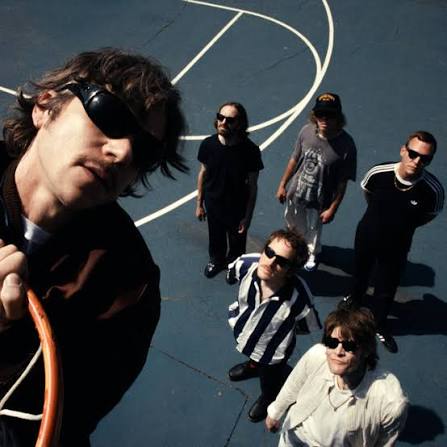 Cage The Elephant
 Upcoming Tours: Albums, Live Shows and Tickets
Explore Cage the Elephant’s Kentucky roots, genre-shifting albums, dynamic concerts and how to find accurate upcoming event listings.
Cage the Elephant's upcoming tours attract fans of guitar-driven alternative rock, blues-inspired riffs and performances that can change mood within seconds. Formed in Bowling Green, Kentucky, in 2006, the band built a following through energetic concerts and a willingness to shift its sound from record to record. Frontman Matt Shultz is known for a physical and unpredictable stage presence, but the music behind that spectacle has more range than a single label suggests.
A first-time listener might recognize "Ain't No Rest for the Wicked" or "Cigarette Daydreams" without realizing they come from very different periods. The same group made the tense, hook-heavy Melophobia, the polished Social Cues and the reflective Neon Pill. For concertgoers, exploring that development is more useful than assuming every Cage the Elephant show is built around one early hit.
How Cage the Elephant Started in Kentucky
The band formed in Bowling Green, Kentucky, before relocating to England as its first recordings began reaching a broader audience. That international move put the young musicians in a different touring environment at a formative moment. They were encountering venues, audiences and musical expectations that helped sharpen their live identity.
Singer Matt Shultz and guitarist Brad Shultz became central creative figures, with Daniel Tichenor on bass and Jared Champion on drums also associated with the band's long-running core. Guitarist Nick Bockrath and keyboardist/guitarist Matthan Minster contributed to later lineups and performances. Personnel can change across an artist's history, so the current credited band and individual show billing matter more than old promotional photographs.
Kentucky remained an important part of the group's origin story even as the audience became international. The combination of a regional starting point and overseas development helps explain why the band never sounded like a carbon copy of one American indie-rock scene.
The Self-Titled Debut and Ain't No Rest for the Wicked
The band's self-titled debut appeared in 2008 in the United Kingdom and the following year in the United States. Its sound was scrappy and direct, with blues-rock guitar patterns rubbing against alternative-rock energy. Rather than pursuing seamless studio polish, many songs emphasized a sense of character and urgency.
"Ain't No Rest for the Wicked" became an enduring introduction to the group. Its conversational storytelling, memorable guitar line and darkly comic portrait of everyday choices made it stand out from generic rock-radio material. The lyric's situations unfold almost like short scenes, keeping listeners focused on more than the beat.
That song helped establish the band's public identity, but the debut holds additional surprises. Hearing it in full reveals an act still testing how far it could stretch a riff, a rhythm or a character-driven lyric. Later albums would refine those experiments without completely losing the original energy.

Cage The Elephant Upcoming Tours
Thank You, Happy Birthday and a Restless Second Act
The 2011 album Thank You, Happy Birthday took a more abrasive and adventurous turn. Instead of smoothing out the debut's rough edges, the band leaned into strange textures, abrupt changes and heavier emotional contrasts. It was the sound of musicians deliberately resisting the easiest path to repetition.
"Shake Me Down" offered a striking counterpoint to the band's louder moments. The song balances vulnerability with gradually building intensity, showing that Cage the Elephant could create impact without filling every second with frantic guitar noise. Its shifting dynamics remain instructive for listeners exploring their catalog.
The album also highlights how difficult the group can be to classify. One track may sound indebted to garage rock, while another approaches an atmospheric alternative ballad. Those contrasts prepare listeners for the broader stylistic decisions made on later records.
Melophobia and the Art of the Uncomfortable Hook
Melophobia, released in 2013, became a decisive creative statement. The record turned unsettled emotions, unusual arrangements and sharp melodic instincts into a consistent album experience. Its title suggests a complicated relationship with music itself, yet the result contains some of the band's most approachable songs.
"Come a Little Closer" builds an atmosphere of tension around a hook that gradually takes over the track. "Cigarette Daydreams" moves in the opposite direction, relying on reflective melody and lyrical ambiguity. Listening to them together explains why a Cage the Elephant concert can generate both a noisy singalong and a quieter collective moment.
The album rewards attention to production details. Guitars can feel brittle or spacious, percussion can move from restrained to insistent, and Matt Shultz's delivery changes with the song's emotional temperature. Those choices are what give the material longevity beyond its original release cycle.
Tell Me I'm Pretty and a More Focused Sound
With Tell Me I'm Pretty in 2015, the band worked with producer Dan Auerbach. The resulting album often sounds more concentrated, making deliberate use of guitar tone, vocal phrasing and compact song structures. That restraint did not erase the group's personality; it placed the hooks in sharper focus.
Songs such as "Trouble" connect the band's melodic instincts with an accessible alternative-rock atmosphere. The arrangements leave room for mood and texture rather than treating volume as the only source of impact. That approach helped expand the audience without requiring a break from the earlier catalog.
The album won the Grammy Award for Best Rock Album. Awards are one measure of recognition rather than an explanation of the music's value, but the win marked a significant public milestone. By then, Cage the Elephant had moved well beyond the expectations attached to its debut.
Social Cues and Personal Subject Matter
Social Cues, released in 2019, brought a darker, more polished quality to the group's sound. Its lyrics and arrangements explore isolation, uncertainty and the instability that can accompany public exposure. The record is not simply a collection of gloomy songs; it uses contrast to make vulnerable moments feel vivid.
"Ready to Let Go" became an important song of this period, balancing a propulsive rhythm with emotionally difficult subject matter. Other tracks explore electronic texture and production choices that would have sounded unexpected on the first album. The band's stylistic evolution is especially clear when these recordings are compared directly.
Social Cues also won Best Rock Album at the Grammys. The second award underscored the band's ability to keep developing rather than surviving exclusively on its earliest hits. Listeners preparing for a concert can use the album as a bridge between the raw material and the more modern sound.
Neon Pill and the 2024 Return
Neon Pill arrived in 2024 after a substantial gap between studio albums. It added another chapter to the band's story, approaching resilience, disruption and recovery through songs that combine atmospheric production with recognizable alternative-rock structures.
The title track and songs such as "Out Loud" and "Good Time" offer contrasting entrances to the record. Some emphasize intimate reflection; others have the forward motion associated with a live rock performance. The balance makes the album a useful starting point for audiences who know Cage the Elephant's old singles but have not followed their recent work.
It is worth distinguishing an album's personal themes from speculation about a band member's private experiences. The music and officially discussed creative process provide enough material for meaningful criticism without inventing details about anyone's health or relationships.
New Singles and the Band's Current Musical Direction
The band's official website features newer material including "Dying in Reverse" and "Beaches in Tennessee." These songs extend the conversation beyond Neon Pill and show why an artist's current catalog should be checked before assuming the most recent album represents everything they are playing.
New singles also create a different kind of anticipation from a completed album. Listeners can hear individual ideas before knowing how they might fit into a longer project. A single does not automatically establish the title, release date or track list of a future record, and those details should not be guessed.
For tour planning, keep release news separate from confirmed events. A song premiering on an official page says something about the band's creative activity; it does not itself prove that a particular city will receive a concert.
Matt Shultz and the Live Show's Physical Energy
Matt Shultz's performances have often become a central part of the band's reputation. His movement can make the distance between the stage and audience feel smaller, particularly in high-energy songs. Yet that physical intensity works because the musicians behind him maintain a strong rhythmic foundation.
A Cage the Elephant concert is not a continuous sprint. Slower tracks give listeners space to hear the lyrics, while faster numbers invite jumping, singing and movement. This dynamic range helps the band retain attention over a full set rather than relying on one repeated gesture.
The exact production, encore, stage movement and audience interaction will vary. Fans should never assume an anecdote from a previous tour describes a guaranteed feature of the next performance. The reliable expectation is the band's established mixture of energetic rock and melodic contrast.
Why Their Songs Work in Different Venue Sizes
In a large amphitheater, the big choruses and lighting design can become the defining memories. A song like "Come a Little Closer" may feel communal when thousands sing along. In a smaller setting, the scratchy guitar tones and rhythm-section details can become more noticeable.
Venue acoustics also affect how individual albums translate live. The electronic layers of newer songs, the raw attack of early tracks and the acoustic character of softer numbers need different treatment. The production team has to connect those sounds into one coherent performance.
When comparing tickets, consider whether proximity or a balanced view matters more. A close standing position can feel immersive, but an elevated seat may make it easier to appreciate lighting, stage movement and the full band's interaction.
Where to Start With the Cage the Elephant Catalog
New listeners can build a short playlist that moves through the band's changes: "Ain't No Rest for the Wicked," "Shake Me Down," "Come a Little Closer," "Cigarette Daydreams," "Trouble," "Ready to Let Go" and "Neon Pill." That sequence is not a suggested or guaranteed concert setlist. It is a way to hear how the songwriting developed.
Another approach is to listen to two contrasting albums in full. Pairing Melophobia with Social Cues demonstrates the group's growing interest in atmosphere and production; pairing the debut with Neon Pill makes the longer stylistic journey even clearer.
Fans who prefer one particular era will still find value in understanding the others. The live experience often depends on transitions among very different sounds, and knowing those contrasts can make familiar songs feel fresh.
How to Find Accurate Cage the Elephant Tour Dates
A reliable concert listing needs the performer name, venue, city and date. The band's official tour updates are useful for announcements, while ticket listings provide the purchase-specific details necessary for a particular performance. Those sources serve different purposes and should not be confused.
Check whether the concert is a solo headline date, a festival appearance or a shared bill. Festival set lengths and artist schedules can differ from a dedicated headline performance. Also confirm that a listing is for the band itself and not a tribute act or a similarly named event.
Availability can change, especially if a show moves between sale stages. A screenshot, social comment or old search result may not represent what can actually be purchased today.
Choosing Seats and Preparing for the Show
For a high-energy rock concert, think about how you want to experience the crowd. Floor admission places you closer to collective movement, while reserved seating can offer more predictable space and sightlines. People who prefer quieter surroundings may want to avoid the most densely packed standing areas.
Hearing protection is a sensible consideration regardless of seat location. Check venue policies for bag sizes, mobile tickets, accessibility services and re-entry. If the performance is outdoors, weather planning can be just as important as the stage schedule.
Read the final price, fees, transfer terms and admission type before completing checkout. A cheaper listing is not automatically preferable if it comes with an obstructed view or conditions that do not fit your plans.
The Enduring Appeal of Cage the Elephant
Cage the Elephant's strength is not that every album sounds alike. The band has repeatedly changed how its guitars, vocals and rhythms communicate, while preserving a recognizable tension between restlessness and melody. That tension connects early garage-rock listeners with people who discovered the group through more reflective recordings.
The music also rewards different kinds of attention. Some fans come for the chorus, others for the live performance, and others for the strange details in a full album. There is room for all of them without reducing the band to one definitive song.
Browse Cage the Elephant upcoming tours on TourAnnouncement to compare verified event information for the performances available in your area. When a relevant event is listed, use Check Tickets to review current seating, admission and price details before making a booking.
Cage The Elephant FAQs
Get ready for the Cage The Elephant live show. Find the best Cage The Elephant tickets, check tour setlists, and get essential venue details. Read our quick fan FAQ to make the most of your Cage The Elephant music concert experience.
Who are Cage the Elephant and where did they form?
Cage the Elephant is an American alternative rock band that formed in Bowling Green, Kentucky, in 2006. The group later relocated to England during the period surrounding its debut album, which helped shape its early international exposure. Its best-known members include singer Matt Shultz, guitarist Brad Shultz, bassist Daniel Tichenor and drummer Jared Champion. The band developed a reputation for energetic concerts and a sound that changes between garage rock, blues-influenced alternative music and more atmospheric songwriting. Its releases should be heard across several eras rather than reduced to one popular song. For a current concert, verify the advertised billing and venue details.
What are Cage the Elephant's biggest songs?
Frequently recognized Cage the Elephant songs include "Ain't No Rest for the Wicked," "Cigarette Daydreams," "Come a Little Closer," "Shake Me Down," "Trouble" and "Ready to Let Go." They are useful introductions because each highlights a different aspect of the band's writing. Some songs rely on bluesy riffs or eccentric storytelling, while others emphasize emotional melody and spacious production. The difference explains why audiences can connect with multiple periods of the catalog for different reasons. A playlist is a good way to prepare for a concert, but it should not be mistaken for a guaranteed setlist. Actual performances are determined by the band and event production.
Which Cage the Elephant albums have won Grammy Awards?
Cage the Elephant won the Grammy Award for Best Rock Album for *Tell Me I'm Pretty* and again for *Social Cues*. The awards mark two different creative periods: one with a focused, guitar-forward approach and another using darker, more detailed arrangements. They also show that the band continued developing after its first breakthrough rather than relying solely on early songs. Winning a Grammy is a measurable career achievement, but it does not make every track equally important to every listener. To understand the band's sound, compare these albums with the early self-titled debut, *Melophobia* and the later *Neon Pill*. That comparison reveals more than a trophy list alone.
What is Neon Pill and when did Cage the Elephant release it?
*Neon Pill* is a Cage the Elephant studio album released in 2024. It followed several years after *Social Cues* and introduced another phase of the band's sound, combining reflective material with familiar alternative-rock momentum. Songs associated with the project include "Neon Pill," "Out Loud" and "Good Time." The album is useful for listeners who know only the band's earlier hits because its production and pacing show how the musicians continued to develop. The official artist website has also featured newer singles, so do not assume *Neon Pill* represents all recent activity. A new recording does not automatically establish a new tour date or setlist.
What can fans expect from a Cage the Elephant concert?
Cage the Elephant concerts are associated with high-energy rock performance and strong contrasts between loud songs and reflective material. Singer Matt Shultz is known for a physical stage presence, while the rhythm section and guitars provide the musical foundation behind the spectacle. The band's set can draw from very different albums, creating shifts in tempo, arrangement and mood. The actual production depends on whether the performance is a headline date, festival set or another type of appearance. Fans should treat past concert videos as examples rather than guarantees. Choose a venue position that suits your comfort with standing, crowd movement and sound levels.
How do I choose Cage the Elephant tickets and seating?
Start by confirming that the listed date, venue and performer match the show you intend to attend. Then decide whether you prefer proximity to the stage or an easier overview of the performance. General admission can feel immersive but may involve standing and crowd movement; an elevated seat may offer steadier sightlines and more personal space. Check for obstructed views, accessible seating and the venue's policy on mobile entry. Compare the final ticket cost after fees rather than judging solely by the initial displayed price. If the event is a festival, check whether your ticket covers the correct day. Availability may change before checkout.
Are Cage the Elephant still releasing new music?
Yes. Cage the Elephant released the album *Neon Pill* in 2024, and its official website has subsequently featured newer songs including "Dying in Reverse" and "Beaches in Tennessee." These recordings show that the band remains creatively active beyond the early hits that first brought it wider attention. However, a single's release does not by itself confirm the title or launch date of another studio album. Fans should distinguish music announcements from concert announcements, which require specific dates and venues. Official artist channels are useful for release information, while ticket pages should be checked separately for performance details and real purchasing availability.