Jeezy Upcoming Tours
Discover Jeezy biography, albums, songs and live performance history, with upcoming tour announcements and event ticket information.
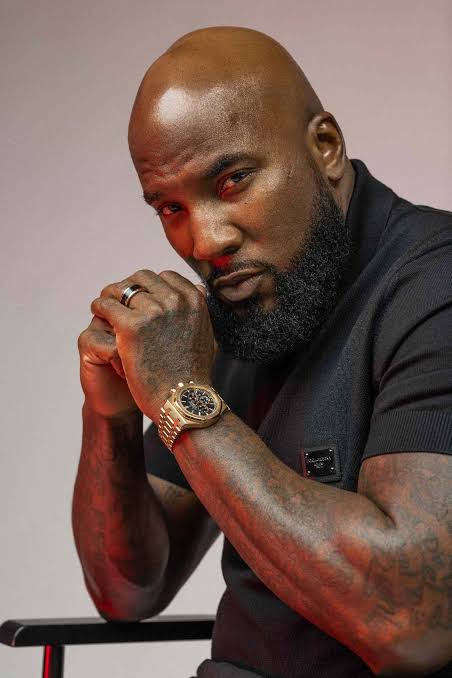 Jeezy
Jeezy Upcoming Tours, Tickets and Artist Guide
Learn about Jeezy music, important releases, live performances and seven fan FAQs, plus check upcoming concert information.
Jeezy helped bring the sound and language of Atlanta trap music into the mainstream while giving it a distinctive sense of determination. Known earlier in his career as Young Jeezy, the rapper born Jay Wayne Jenkins built his identity around a gravelly voice, dramatic production and songs that turn hard experiences into statements about survival, ambition and responsibility.
Alongside artists including T.I. and Gucci Mane, he became an important figure in the development of trap as a commercially influential form of Southern hip-hop.
For fans looking into Jeezy tours, songs or tickets, the story is larger than one memorable ad-lib or one classic album.
His catalogue includes the landmark Let's Get It: Thug Motivation 101, the politically attentive The Recession, multiple later studio releases and a surprising orchestral reimagining of early material. Understanding how those phases connect gives a clearer picture of the performer, businessman and cultural figure behind the Snowman nickname.
The Georgia Experiences Behind the Voice
Jeezy was born in South Carolina and raised primarily in Georgia. His early experiences in and around Atlanta and other parts of the state helped shape the direct language and worldview that would appear throughout his music.
His songs frequently describe the pressure of trying to survive limited opportunities while holding on to aspirations of financial independence. Those narratives draw on a street-rap tradition, but Jeezy often presents them with the language of strategy, persistence and personal motivation.
That contrast became essential. A track could describe dangerous circumstances while also sounding like a speech to someone trying to change those circumstances, helping listeners connect with the emotional message beyond the literal details.
Early Recording and the Lil' J Name
Before the national success of Young Jeezy, Jenkins recorded as Lil' J and released independent material including Thuggin' Under the Influence. The early recordings belong to a period when he was building industry relationships and learning how to turn local recognition into a sustainable career.
He later issued Come Shop wit' Me under the Young Jeezy name. These projects did not yet carry the huge promotional resources of his major-label releases, but they established important parts of the persona and lyrical vocabulary.
The groundwork also reflects the role independent releases played in Southern rap. Artists could develop substantial local demand before national radio, major labels or commercial charts caught up with what listeners were already hearing.

Jeezy Upcoming Tours
The Trap or Die Mixtape Moment
Jeezy's work with DJ Drama helped turn local attention into a broader movement. The Trap or Die mixtape became an especially important release, spreading his sound through the mixtape culture that shaped Southern hip-hop in the mid-2000s.
This was a period when DJs, street promotion and word of mouth could determine whether a rapper became widely recognized. Jeezy's distinctive vocal tone and repeated phrases made tracks immediately identifiable even when they were heard briefly in a car or club.
The mixtape also established the high-stakes motivational tone that would later define his commercial debut. Its influence cannot be measured only by a conventional album sales chart.
Boyz N da Hood and the National Stage
Jeezy was part of Boyz N da Hood, the Southern rap group associated with Bad Boy Records. The group's self-titled 2005 release gave him another route into a national audience shortly before his solo major-label breakthrough.
That sequence is important because he was moving through two connected but distinct careers: a group project and a solo identity built around his own voice and stories. The group introduced him in one context, while the following solo album placed him completely at the center.
For listeners exploring the history, Boyz N da Hood and the early mixtapes provide context for why Jeezy's first major solo album arrived with so much momentum already behind it.
Let's Get It: Thug Motivation 101
Released in 2005, Let's Get It: Thug Motivation 101 became one of the defining records of mainstream trap music. The album debuted at No. 2 on the Billboard 200 and brought the sound Jeezy had developed through mixtapes to a much wider audience.
Songs including “Soul Survivor,” “Go Crazy,” “And Then What,” “My Hood” and “Get Ya Mind Right” demonstrate the balance of harsh realism and anthemic confidence that made the record influential.
The production is essential to its power. Dark synth textures, emphatic drums and dramatic arrangements create a feeling of scale, allowing Jeezy's relatively sparse vocal delivery to sound commanding rather than empty.
Soul Survivor and a Larger Emotional Audience
“Soul Survivor,” featuring Akon, became one of Jeezy's signature songs. The melodic hook gave the track an immediately recognizable shape while the verses retained the urgency of his street narratives.
The collaboration helped connect listeners who followed hard Southern rap with audiences who responded to the more melodic side of contemporary hip-hop. The song's theme of endurance also gave it a wider emotional meaning beyond any single setting.
For a new fan, “Soul Survivor” is a useful first step because it reveals how Jeezy could make a specific, uncompromising perspective feel accessible without abandoning his vocal character.
The Importance of Shawty Redd's Production
Producer Shawty Redd played a central role in establishing the musical atmosphere associated with early Jeezy. Dark harmonies, imposing drums and repeated melodic figures made space for the rapper's voice while producing a nearly cinematic sense of pressure.
Jeezy rarely needed densely packed technical verses to make that approach effective. His phrasing, pauses and ad-libs became part of the rhythmic structure. A short repeated line could feel like an instruction or a warning depending on how it was delivered.
This economy of expression was influential. It demonstrated that trap's identity could emerge from the relationship between production and performance rather than from speed or lyrical complexity alone.
The Inspiration and a Number One Album
Jeezy followed his breakthrough with The Inspiration in 2006. The record reached No. 1 on the Billboard 200 and reinforced his place among the most visible rappers of the period.
Songs such as “I Luv It” and “Go Getta,” the latter featuring R. Kelly, extended his commercial success. The album continued the language of drive and self-advancement while refining the imposing production style associated with the first major record.
The title itself reflects a recurring principle in his music. Jeezy frequently addresses listeners as people making decisions under pressure, using the persona of a streetwise motivator rather than a detached narrator.
The Recession and a Wider Social Perspective
The Recession arrived in 2008, when economic anxiety had become a central concern in the United States. The album's title placed Jeezy's established language of survival inside a much larger national conversation.
“Put On,” featuring Kanye West, became a major anthem connected to Atlanta pride. “My President,” featuring Nas, offered another example of how the record connected political atmosphere with everyday feelings of hope and change.
The album reached No. 1 on the Billboard 200. Its significance is not limited to chart success; it showed that the language of trap music could be used to discuss broader social and economic conditions without leaving its musical foundation behind.
Put On and the Power of a Regional Anthem
“Put On” demonstrates how a song can celebrate a city while reaching listeners far outside it. The production is enormous, with an expansive synth motif that feels built for arenas, cars and crowded venues alike.
Jeezy's vocal performance keeps the emphasis on place, loyalty and the pride of representing a community. Kanye West's guest appearance introduces a different vocal texture while remaining inside the same dramatic soundscape.
For live audiences, an anthem like this works through recognition. The opening instrumental can create a response before the first verse, giving the performance immediate energy.
TM:103 and the Continuing Motivation Series
TM:103 Hustlerz Ambition arrived in 2011 after a longer development period. The title returned to the Thug Motivation framework, connecting the new record to the language and values that had defined Jeezy's major-label arrival.
“I Do,” featuring Jay-Z and André 3000, is among its most notable songs. The collaboration places several distinct rap personalities inside one track, giving listeners contrasting deliveries and perspectives.
The record illustrates how Jeezy maintained his identity during a period when trap production and rap trends were changing rapidly. He could collaborate widely without completely discarding the voice his audience recognized.
Seen It All and the Autobiographical Turn
The 2014 album Seen It All: The Autobiography emphasized experience and retrospection. The title suggests a performer looking backward at events that shaped him rather than only projecting confidence toward the future.
The song “Seen It All,” featuring Jay-Z, is an important example. Both performers use personal histories to explore how success changes the meaning of experiences that once seemed impossible to escape.
This material is particularly revealing for fans who know Jeezy primarily through celebratory anthems. The public persona may be confident, but the catalogue also contains doubt, memory and attempts to understand what a difficult past means in the present.
Church in These Streets and Trap or Die 3
Jeezy continued releasing major projects during the middle of the 2010s, including Church in These Streets in 2015 and Trap or Die 3 in 2016. The latter returned explicitly to the mixtape-era title that had been so important to his original rise.
Trap or Die 3 reached No. 1 on the Billboard 200, demonstrating the continued reach of a sound and identity that were already more than a decade old.
Those albums show the tension in a long rap career: listeners want the recognizable early qualities, but a performer also needs space to discuss changing priorities and experiences. Jeezy's recordings repeatedly move between those demands.
Pressure and TM104
Pressure arrived in 2017, followed by TM104: The Legend of the Snowman in 2019. The latter was initially presented as a concluding chapter, using the Thug Motivation numbering to suggest a final statement in a long series.
The idea of a farewell did not prevent Jeezy from returning with more music. Instead, the subsequent releases demonstrate how an artist's relationship with recording can continue changing after a supposed ending.
For discography research, it is helpful to keep these distinct projects in order rather than treating the Thug Motivation series as if it contained every Jeezy album.
The Recession 2 and Changing America
Released in 2020, The Recession 2 returned to the title of the 2008 album in a very different social environment. The project addresses political tension, economic pressure and uncertainty while preserving the direct tone of Jeezy's earlier music.
The sequel makes an interesting comparison with the original. Both records connect personal survival narratives to wider circumstances, but they reflect different public conversations and different stages of Jeezy's life.
Listening to them together helps reveal how one performer can revisit a concept without treating the years between releases as irrelevant.
Snofall with DJ Drama
Jeezy reunited with DJ Drama for Snofall in 2022, reconnecting with one of the creative relationships that helped build his early audience. The project brought the energy of their mixtape history into a later recording era.
This reunion was meaningful because the original Trap or Die period had been essential to Jeezy's pre-album breakthrough. Returning to that partnership provided an opportunity to draw on the chemistry without pretending the artist or the audience had remained unchanged.
The result adds another distinct listening option for fans who are especially interested in the rawer, mixtape-driven side of his catalogue.
I Might Forgive... But I Don't Forget
The 2023 double album I Might Forgive... But I Don't Forget shifts toward self-examination and the complicated work of making peace with past experiences. The title itself holds two ideas in tension: releasing a grievance does not necessarily mean erasing what happened.
The project separates different emotional perspectives across its two halves. Listeners encounter an older artist considering responsibility, memory and relationships while retaining the unmistakable sound of his voice.
It is a useful counterpoint to the early Thug Motivation albums. The motivational language remains, but the priorities have expanded from ambition and survival toward reflection on the cost of both.
The 20th Anniversary Orchestral Project
In 2025, Jeezy revisited Thug Motivation 101 through an orchestral presentation involving the Color of Noize Orchestra. The project reimagined music originally built around trap drums and dramatic synthesizers with a much larger live instrumental palette.
That choice matters because it demonstrates how carefully constructed the early songs were. Their rhythmic and melodic foundations can survive changes in instrumentation, allowing familiar material to feel newly dramatic rather than simply louder.
The anniversary presentation also connected longtime listeners with a different kind of concert experience. It was not proof that every future Jeezy show would use an orchestra; it was a distinct project associated with a particular milestone.
Business, Independence and Cultural Influence
Jeezy has repeatedly described his career through the language of entrepreneurship and motivation. His work with Corporate Thugz Entertainment and later independent projects reflects an interest in shaping the business around his music as well as the recordings themselves.
His influence on trap is closely tied to the wider Atlanta scene, not separate from it. T.I., Gucci Mane, producers, DJs and numerous other artists contributed to the sound's development, and it would be misleading to attribute the entire genre to one individual.
Jeezy's particular contribution was the combination of an authoritative, gravelly voice with dark production and a motivational public persona that reached a broad commercial audience.
What a Jeezy Concert Feels Like
A Jeezy performance can draw substantial energy from the repeated phrases and anthemic introductions built into his songs. “Soul Survivor,” “Put On,” “I Luv It” and other familiar recordings create communal moments as soon as an audience recognizes the beat.
His catalogue also includes more reflective material, giving a show the potential to move between celebration, personal narrative and remembrance. The arrangement depends on the event and whether the billing involves a standard hip-hop performance or a specially produced concept.
Festival sets, headline concerts and orchestral presentations should not be assumed to use identical production or running times. The actual event listing is the reliable guide to those details.
Where to Start with Jeezy's Catalogue
Begin with Let's Get It: Thug Motivation 101 to understand the voice, production and motivational language that established Jeezy nationally. Then hear The Inspiration and The Recession to follow how the sound grew and how the subject matter expanded.
Move to TM:103 Hustlerz Ambition and Seen It All for a more mature perspective. The Recession 2 and I Might Forgive... But I Don't Forget offer different reflections on social circumstances and personal history.
Finally, compare the original 2005 recordings with TM:101 Live. That contrast reveals how the music can function when translated into a very different concert format.
Jeezy Tours and Tickets
Fans searching for Jeezy tours should confirm the performer billing, venue, date and type of event before choosing tickets. An ordinary headline rap show and a special orchestral presentation may celebrate the same catalogue in very different ways.
Support acts, opening times and ticket categories are specific to each venue. A recording credit or a collaboration on an album does not guarantee the guest artist will perform at a particular show.
Use verified Upcoming Tours listings and Check Tickets buttons when available for the relevant event. This approach connects the music and the live experience without assuming a past anniversary announcement establishes a future booking.
Jeezy FAQs
Get ready for the Jeezy live show. Find the best Jeezy tickets, check tour setlists, and get essential venue details. Read our quick fan FAQ to make the most of your Jeezy music concert experience.
Who is Jeezy and why is he important to trap music?
Jeezy, born Jay Wayne Jenkins, is an American rapper associated with Atlanta and the rise of mainstream trap music. Earlier in his career he performed as Young Jeezy. Alongside figures such as T.I., Gucci Mane, prominent producers and mixtape DJs, he helped bring the sound and language of Southern trap to a much larger audience. His gruff voice, dramatic beats and motivational storytelling made releases such as Trap or Die and Let's Get It: Thug Motivation 101 especially influential. His career also includes later albums addressing politics, entrepreneurship and personal change. It would be inaccurate to call any one performer the sole inventor of trap, but Jeezy's contribution is substantial.
What is Let's Get It: Thug Motivation 101?
Let's Get It: Thug Motivation 101 is Jeezy's 2005 major-label solo debut and one of the defining albums of mainstream Southern trap. It reached No. 2 on the Billboard 200 and includes songs such as Soul Survivor, Go Crazy, And Then What, My Hood and Get Ya Mind Right. The record combines imposing production with lyrics about hardship, ambition and survival, while Jeezy's distinctive voice makes even short lines sound forceful. It was preceded by major underground momentum from his mixtapes, particularly Trap or Die. The album remains central to his legacy because it helped translate a regional musical movement into a nationally recognized commercial sound.
What are Jeezy's biggest and most influential songs?
Jeezy's widely recognized songs include Soul Survivor with Akon, Put On with Kanye West, I Luv It, Go Crazy, My President with Nas, Lose My Mind and Seen It All with Jay-Z. These tracks represent different stages of his recording career. Soul Survivor brings a melodic hook into his early trap sound, while Put On is closely associated with Atlanta pride and an enormous anthem-like production style. The Recession era uses similar musical force to explore social and economic questions. Listeners preparing for a live show benefit from exploring multiple albums, because his catalogue includes both celebratory tracks and more reflective material that may shape the atmosphere of a performance.
Why was The Recession important in Jeezy's career?
The Recession, released in 2008, connected Jeezy's established themes of struggle and determination to the wider economic uncertainty facing the United States. The album reached No. 1 on the Billboard 200 and contains important recordings including Put On and My President. Its title made the relationship between personal survival narratives and national conditions unusually explicit for a mainstream rap release. The music retained the commanding production and direct vocal delivery associated with Jeezy's earlier work while expanding its perspective. Listening to the record beside The Recession 2, released in 2020, reveals how he later returned to questions about politics, opportunity and responsibility in a changed social environment.
What is Jeezy's collaboration with DJ Drama?
DJ Drama played a major role in Jeezy's rise through the mixtape culture of the 2000s. Their Trap or Die collaboration helped distribute Jeezy's music and public identity before his first major-label solo album became a national success. The two reunited for Snofall in 2022, reconnecting the raw mixtape energy of that early period with a later stage of the rapper's career. These projects are important because Jeezy's influence cannot be understood through commercial studio albums alone. The mixtape circuit helped establish the rhythms, repeated phrases and motivational persona that listeners came to recognize as central parts of his sound across many subsequent releases.
Did Jeezy perform Thug Motivation 101 with an orchestra?
Yes. In 2025, Jeezy celebrated the twentieth anniversary of Let's Get It: Thug Motivation 101 with an orchestral presentation and the live release TM:101 Live featuring the Color of Noize Orchestra. The project reimagined music originally associated with trap drums and dark synthesizers through a larger instrumental setting. That change highlighted the melodic and dramatic structures already present in the original recordings. It also offered a different experience from a conventional hip-hop concert, showing how a landmark rap album could work within a staged orchestral production. Fans should not assume that every later Jeezy appearance includes an orchestra; event descriptions should identify the specific format.
How can fans find Jeezy concerts and ticket information?
Fans searching for Jeezy concerts should first identify the exact event format. A standard headline rap performance, multi-artist festival set and special orchestral presentation may have different music arrangements, running times and supporting performers. Check the venue, city, date, age requirements and seating or standing options before making plans. Jeezy's songs have featured major collaborators, but a guest appearance on an album does not guarantee that artist will join a particular show. TourAnnouncement's Upcoming Tours section can display event-specific StubJet ticket links when matching inventory records are available. A confirmed ticket listing is more reliable than an old poster or social post that may refer to a past tour.