
Daniel Tosh Upcoming Tours
Discover Daniel Tosh upcoming comedy shows, tour announcements, event dates and ticket details. Explore the stand-up career, live performances and helpful fan information.
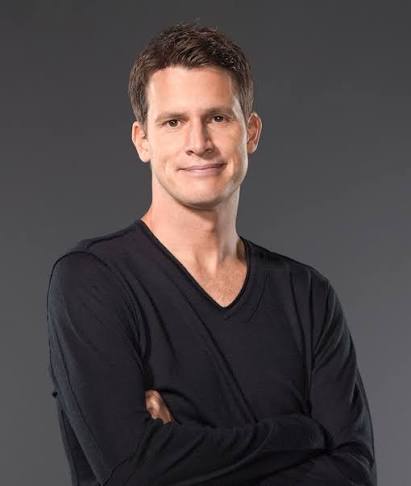 Daniel Tosh
 Upcoming Tours, Tickets and Stand-Up Comedy Guide
Explore Daniel Tosh stand-up, Tosh.0, comedy specials, Tosh Show, television history and useful tour and ticket planning information.
Daniel Tosh turned sharp stand-up, deliberate awkwardness and an appetite for embarrassing internet culture into a career that spans comedy clubs, television, recorded specials and podcasting. Born Daniel Dwight Tosh, he grew up in Florida, graduated from the University of Central Florida and pursued comedy on the road before becoming a familiar television personality.
His dry, fast-moving delivery can make an outrageous premise sound like an ordinary observation. That approach later helped define Tosh.0, the Comedy Central series that took viral videos and online behavior seriously enough to dissect them while treating the participants with merciless comic irreverence.
Yet Tosh's stand-up career is older than the show and has continued beyond its ending. His recorded specials, touring performances and Tosh Show podcast reveal different aspects of the same comic voice.
For audiences researching Daniel Tosh tours and tickets, distinguishing his live stand-up from the television clips is essential: a full show is built around his own writing, timing and confrontational relationship with the audience.
Early Life and University of Central Florida
Daniel Tosh was born in Germany and grew up in Titusville, Florida. His American upbringing became part of his public identity even though his birthplace was overseas. He studied at the University of Central Florida, graduating in 1996 with a degree in marketing.
That educational background is an unusual detail in the career of a comedian whose act often pretends to have little patience for polished professional language. Marketing involves how messages reach audiences; stand-up involves learning which words make people respond. The two occupations are different, but both reward an understanding of attention and timing.
Tosh did not immediately become a television star after college. Like many comics, he took a route through live venues, where the ability to earn laughter without extensive production is the basic requirement for continuing.
The Comedy-Club Apprenticeship
Stand-up rewards repetition and correction. Material that feels promising at home can fail in front of a room, and even a good joke may need different timing depending on how the crowd reacts. Tosh's early career developed through that process of performance, travel and constant refinement.
His style grew around quick misdirection, controlled sarcasm and a willingness to create tension. Instead of always warming the audience with a reassuring personal story, he could introduce a deliberately unpleasant idea, then reveal that the real punch line was his absurd confidence in saying it.
This method asks spectators to recognize the difference between a stage persona and a literal personal confession. The voice can be provocative, but the structure depends on a comedian knowing exactly when to shift a sentence or undermine his own premise.
National Attention Through Late-Night Television
A 2001 performance on the Late Show with David Letterman became an important step in Tosh's career. A late-night stand-up set has strict time limitations and brings a comic before viewers who did not choose to buy a ticket specifically for that performer.
Those circumstances reward clean setups and immediate character. Tosh's dry delivery and unusual joke-writing allowed him to establish a recognizable voice without elaborate introductions. The exposure helped move his career beyond smaller rooms and toward increasingly visible television appearances.
Late-night recognition did not replace live performance. Tosh continued touring, and that stage foundation remained important when more media opportunities arrived. A comedy act has to keep producing material even after the audience becomes familiar with the performer's image.

Daniel Tosh Upcoming Tours
Comedy Central and the First Stand-Up Specials
Tosh's early televised stand-up included Comedy Central Presents, while his longer specials included Completely Serious and Happy Thoughts. These projects document a period when his stage identity was already distinct from the television format that would later make him especially famous.
The titles themselves reflect his preference for irony. A name such as Completely Serious promises solemnity from a performer whose jokes often depend on saying the opposite of what audiences expect. Happy Thoughts similarly places an upbeat phrase beside material that can be dark or abrasive.
Watching stand-up specials from different stages of his career is useful because it shows how rhythm changes with experience. The central sarcastic voice is recognizable, but delivery and joke construction develop as a comic works in larger rooms.
The Arrival of Tosh.0
Tosh.0 premiered on Comedy Central in 2009 and became the project most closely associated with Daniel Tosh's wider fame. The show used online videos, awkward performances, viral trends and internet personalities as material for scripted jokes and filmed segments.
The premise arrived at a moment when online platforms were dramatically changing who could become famous. Ordinary people could publish a video that reached millions without passing through a television network or film studio. Tosh responded by treating the resulting internet behavior as an endless source of comic material.
The format combined an established stand-up personality with a new television landscape. Rather than simply playing clips, the show used his point of view to connect them, adding commentary, fictional setups and visits with people previously seen online.
Why the Show's Format Worked
Internet clips can be funny for many reasons. Some contain deliberate jokes; others capture an accident, poor decision or performance that becomes unintentionally entertaining. Tosh.0 examined the gap between what people wanted to show and how an audience interpreted it.
Tosh's role was to give that material a second comic frame. An ordinary clip might be followed by a rapid joke, a deliberately extreme comparison or a segment that extended the original idea into a much larger production. The repeated format made the program recognizable even as the videos changed.
The series also reflected a changing relationship between viewers and creators. People were not merely watching a television host; they were watching a host interact with internet culture that many audience members were already experiencing directly.
Web Redemption and the People Behind the Videos
One of the best-known Tosh.0 ideas was the Web Redemption segment, which revisited people connected with a memorable or embarrassing viral moment. The premise offered participants another opportunity to appear on camera, often in a much more elaborate comedic setting.
These pieces helped distinguish the show from a simple collection of internet videos. A participant could become a character in a new story, and Tosh could use the original clip as background for a second performance created specifically for television.
The humor could be deliberately sharp, and the series sometimes drew criticism for that approach. Recognizing that history is part of understanding Tosh's public profile; not every viewer experienced the comedy in the same way.
From Tosh.0 to a Long Television Run
Tosh.0 continued for many seasons before its Comedy Central run ended in 2020. Its longevity is notable because online culture changed dramatically during that period. The web moved from early viral uploads toward short-form platforms, influencers and increasingly professional social-media content.
The show became a historical record of a particular kind of internet comedy as well as a vehicle for Tosh himself. It also created a situation common to successful television comedians: some audience members knew the host far better than they knew his original stand-up act.
That distinction matters when choosing tickets. A live Daniel Tosh performance is not a staged episode of Tosh.0, and spectators should not expect a sequence of viral-video clips to be the entire evening.
Stand-Up Material Beyond the Television Personality
Tosh's stand-up works through careful sequencing. A joke may start in a familiar everyday setting, then turn abruptly toward an unreasonable conclusion. The delivery often stays calm even when the premise becomes extreme, allowing the contrast to create the laugh.
His style can also involve testing what an audience is willing to hear. That quality makes the shows more suitable for people comfortable with adult and provocative comedy than for a family seeking a universally gentle performance.
An extended set permits material to connect across several minutes. Recurring ideas, callbacks and changes in pace give a full show a structure that is difficult to understand from a handful of online clips.
The People Pleaser Special
People Pleaser is another important recorded chapter of Tosh's stand-up. The title deliberately plays against a stage personality known for difficult subjects and ironic detachment. It is the sort of contradiction that makes sense before the first joke has even begun.
The special gives viewers an opportunity to hear sustained material rather than only the short comments associated with television. Tosh has long used punch lines that arrive unexpectedly, sometimes after a statement appears to be going in one direction for several sentences.
As with any filmed special, this recording represents material from one stage of the comedian's career. Touring performances can feature different jokes, so a ticket should not be understood as a promise to hear that special reproduced exactly.
Voice Acting and Brickleberry
Tosh's work extends beyond performing as himself. He provided the voice of Malloy, a talking bear, in the animated comedy Brickleberry, and served as an executive producer on the series. The role allowed his abrasive comic delivery to operate through a fictional character.
Voice acting changes the constraints of performance. There is no live audience in front of the actor, and physical gestures cannot carry the joke in the same way. Rhythm, pronunciation and vocal attitude have to communicate the character's personality.
Tosh's recognizable delivery made him well suited to an animated figure who often says things designed to provoke the other characters. It also demonstrates that his career cannot be summarized only through stand-up and Tosh.0.
Tosh Show: A Different Way to Hear Daniel Tosh
Tosh later launched Tosh Show, a podcast featuring conversations with people from many walks of life. Its premise differs from the standard celebrity interview in that guests can have interesting stories without being widely known entertainers.
That gives Tosh room to ask unusual questions about ordinary jobs and experiences. The conversation may move through professional routines, personal memories and subjects that would rarely fit a short late-night segment. His humor remains recognizable, but the format depends more on listening than on maintaining a rapid chain of one-liners.
For fans interested in his personality beyond stage material, the podcast provides a useful contrast. It is less scripted than a special and less visually structured than his television work.
Why Podcasting Suits His Comic Voice
A podcast audience chooses to stay with a conversation for an extended period. There is no need to introduce a new viral clip every few seconds, and pauses can become part of the atmosphere. Tosh can explore a guest's answers rather than immediately moving to a prepared television segment.
At the same time, a strong interviewer must make another person interesting rather than dominating every exchange. This requires a different use of timing from stand-up. The funniest moment may come from the guest revealing an unexpected detail and the host responding briefly.
That distinction helps explain why podcasts have become a valuable second format for established comedians: they offer a different relationship with existing fans and an entry point for new listeners.
The Role of Sarcasm and an Unreliable Persona
Tosh's comedy often relies on a speaker who appears unusually sure of himself. The confidence can become ridiculous when the claim is pushed far enough, making the persona an important part of the joke rather than a trustworthy narrator.
This is why taking an isolated line literally can misrepresent what the performance is doing. Comedy frequently uses exaggeration, reversals and fictional attitudes, and Tosh has made a career from refusing to explain every transition in a reassuring way.
None of that means every listener will enjoy the same material. The style is deliberately abrasive at times, and different audiences may draw different conclusions about where the humor succeeds or fails.
What Happens in a Daniel Tosh Live Show
A Daniel Tosh performance focuses on stand-up material delivered directly to the room. Audiences can expect polished joke-writing, sharp sarcasm, adult language and a comedian who has spent decades developing his timing across different environments.
The atmosphere differs from the television studio. There are no guaranteed viral-video segments, and the set may explore current ideas or personal observations not previously recorded. The pace and material can vary from one tour to another.
Before attending, viewers should check the venue's admission policies, performance time and ticket details. Age requirements and other rules are set by the individual event and should not be assumed from the comedian's television popularity.
My First Farewell Tour and the Art of Tour Titles
Tosh has used the title My First Farewell Tour for a stand-up run. The phrase captures his tendency to undermine entertainment-industry conventions: a farewell is normally singular and final, while the word “first” suggests the possibility of repeating it.
Tour branding should be treated as the name of a particular set of performances, not evidence that an artist has permanently stopped working. Schedules and show titles can change, and a date published for one theater should not be copied onto another venue listing.
The useful information for a ticket buyer is always the exact performer, event date, named venue and actual booking reference. A promotional tour title cannot replace those details.
Why Different Generations Recognize Him
Some fans first saw Tosh performing stand-up on late-night television. Others associate him with Tosh.0, while newer listeners may discover his podcast or recent tour clips. These groups can have different expectations about what makes him funny.
The larger career connects them. His television success relied on an existing stand-up voice, while later recorded specials and podcasts showed that the same personality could operate in additional formats. The tone remains dry and provocative even as the structure around it changes.
This range also means that the best introduction depends on the person. A complete stand-up special is most useful for assessing tickets; the podcast is better for discovering his conversational style.
Exploring Daniel Tosh Before Buying Tickets
A new listener can begin with Completely Serious, Happy Thoughts or People Pleaser to hear the rhythm and style of his stand-up. Tosh.0 explains his role in internet-focused comedy, and Tosh Show offers a more relaxed conversation-based presentation.
Those formats should not be mistaken for interchangeable products. A scripted television segment has editors, multiple takes and a fixed broadcast structure. A live set unfolds in front of the paying audience, with immediate responses that can change the timing.
Understanding the difference will help spectators choose a performance for the actual experience they want rather than expecting the entire catalog of his screen work on stage.
Explore Daniel Tosh Tours and Tickets
Daniel Tosh's journey from Florida comedy rooms to a nationally recognized television and stand-up career illustrates how a distinctive comic voice can survive changes in media. Late-night appearances, Tosh.0, animated comedy, recorded specials and podcasting each reveal a different side of his work.
For people following Daniel Tosh upcoming tours, the most useful listings identify confirmed venues and dates with exact event-specific ticket links. They should not imply that a performance is scheduled merely because the comedian has appeared in that city before.
Live stand-up remains an important part of the story. In a theater, Tosh can rely on timing, phrasing and the unpredictable chemistry of an audience rather than the editing tools of television or short-form video.
Daniel Tosh FAQs
Explore Daniel Tosh stand-up and comedy performances, learn what makes the act distinctive, and check the venue and ticket details that matter before attending.
Who is Daniel Tosh and what made him famous?
Daniel Tosh is an American stand-up comedian, writer and television personality known for dry sarcasm, provocative jokes and the Comedy Central series Tosh.0. Born in Germany and raised in Florida, he graduated from the University of Central Florida before developing his career in comedy clubs. A 2001 appearance on Late Show with David Letterman helped bring him broader attention. Tosh.0 later made him widely recognizable by combining internet clips with his sharp commentary and scripted segments. He has also released stand-up specials and launched the Tosh Show podcast. His live act is separate from the television program and focuses on his own joke-writing and stage delivery.
What was Tosh.0 about?
Tosh.0 was a Comedy Central comedy series hosted by Daniel Tosh that premiered in 2009 and ended its run in 2020. It examined viral videos, online personalities and the unexpected behavior people made public through the internet. Tosh added sarcastic jokes and scripted segments to footage selected from online culture, and the show also featured recurring ideas such as Web Redemption. The format reflected an era when ordinary users could become famous through one widely shared clip. Viewers considering a Daniel Tosh stand-up ticket should know that his live performance is not a stage version of the television series, and viral-video segments are not guaranteed at a comedy show.
Which Daniel Tosh stand-up specials should new fans watch?
Daniel Tosh's recorded stand-up work includes Completely Serious, Happy Thoughts and People Pleaser, alongside earlier televised stand-up appearances. The specials offer a more complete introduction to his comedy than individual clips from Tosh.0 because they show how he structures longer arguments, changes the pace and returns to earlier ideas. His delivery often remains unusually calm while the premise becomes deliberately absurd, creating a contrast that is central to the humor. A viewer who enjoys this approach is more likely to understand his live show. However, the recordings reflect particular periods of his career; current performances may contain different stories, jokes and transitions.
What is the Tosh Show podcast?
Tosh Show is a podcast hosted by Daniel Tosh in which he interviews people from a wide variety of backgrounds. Guests do not need to be famous entertainers; the conversation can explore unusual jobs, personal experiences and subjects that would rarely receive a full television segment. Tosh's dry humor remains part of the format, but the structure is more conversational than a traditional stand-up special. Episodes can move in unexpected directions when guests share surprising details, and the pace depends on the interaction rather than a fixed sequence of punch lines. The podcast is a useful way to hear another side of Tosh's personality, but it is not a substitute for seeing his live act.
Did Daniel Tosh work on the animated series Brickleberry?
Yes. Daniel Tosh voiced Malloy, a talking bear, on the animated series Brickleberry and was also an executive producer on the program. The role drew on the same sarcastic vocal delivery that made Tosh recognizable in stand-up and on television, but it placed that delivery inside a fictional character. Animation requires a different kind of comic performance because the actor communicates through timing and voice without relying on stage gestures or immediate audience feedback. Brickleberry is one part of a career that also includes live comedy, televised stand-up, Tosh.0 and the Tosh Show podcast. It should not be confused with a stand-up special or a live tour.
What is Daniel Tosh's My First Farewell Tour?
My First Farewell Tour is a stand-up tour title used by Daniel Tosh. The wording is intentionally contradictory: a farewell is usually supposed to be final, while describing one as the first suggests there could be more. That kind of irony fits his established comedic style. The title identifies a particular touring chapter rather than proving he has retired permanently from comedy. Fans should always check the latest announced dates instead of relying on the tour name to determine future activity. A booking listing should clearly identify the theater or club, performance date, admission requirements and ticket details rather than treating the name of the tour as sufficient information.
What should audiences expect at a Daniel Tosh comedy show?
A Daniel Tosh show is built around stand-up joke-writing, quick sarcasm and a sometimes confrontational sense of humor. He may discuss subjects that are uncomfortable or deliberately provocative, so the atmosphere is generally more suitable for adults than for young children. The set does not automatically include viral videos or segments from Tosh.0, even though that series remains a major part of his public recognition. Exact jokes, opening performers and running times can vary by event. Before purchasing tickets, fans should check the correct show date, venue and any age or recording restrictions. If StubJet is used, the link should identify that specific performance.