
Staind Upcoming Tours
Discover Staind biography, albums, songs and live performance history, with upcoming tour announcements and event ticket information.
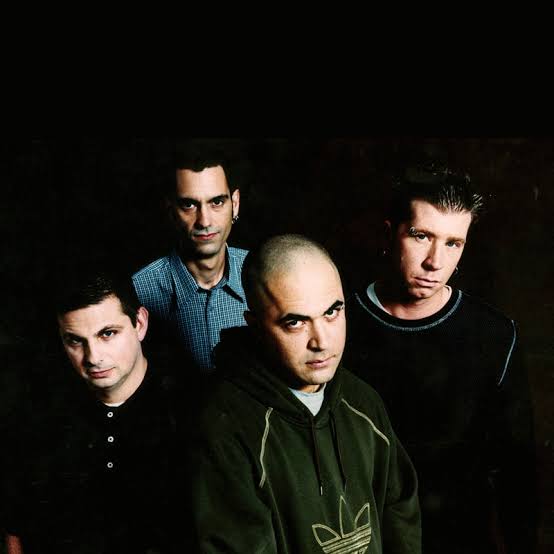 Staind
 Upcoming Tours, Tickets and Artist Guide
Learn about Staind music, important releases, live performances and seven fan FAQs, plus check upcoming concert information.
Staind is one of the bands most closely associated with the emotional weight of late-1990s and early-2000s American rock. Formed in Springfield, Massachusetts, in 1995, the group developed a sound that could move between abrasive alternative metal, post-grunge melody and unusually exposed acoustic songwriting.
Aaron Lewis' voice and Mike Mushok's guitar work became the defining contrast: one capable of shifting from a fragile confession into a harsh scream, the other able to support both heavy distortion and spacious, restrained arrangements.
Staind concerts draw from several distinct phases, not one continuous musical mood. The band that recorded Dysfunction also made the enormous crossover album Break the Cycle, experimented with different balances of melody and heaviness, and eventually returned with Confessions of the Fallen after a long studio break.
Understanding that range helps fans make sense of the catalogue, the lineup changes and what a modern live performance may include.
How Staind Formed in Massachusetts
The band formed in Springfield in 1995 around singer and rhythm guitarist Aaron Lewis, guitarist Mike Mushok, bassist Johnny April and drummer Jon Wysocki. Their earliest work emerged from a regional heavy-rock environment in which distorted guitars and personal lyrics could sit alongside the more aggressive instincts of metal.
Those beginnings mattered because Staind was not initially designed around the acoustic-ballad image that later became familiar to a much wider audience. The early material relied heavily on tension, darkness and tightly compressed musical force.
Lewis' distinctive voice gave the band a way to connect hard arrangements with emotionally vulnerable lyrics. Mushok's riffs supplied the weight, while the rhythm section gave songs the direct physical impact needed in small venues.
Tormented and the First Independent Record
Staind self-released Tormented in 1996, a raw debut that introduced many of the traits they would develop more fully on later records. Its sound was abrasive and sometimes deliberately unsettling, quite different from the polished radio production associated with their eventual commercial breakthrough.
For new listeners, Tormented is best understood as evidence of where the band started rather than a shortcut to the sound of its biggest hits. The songwriting was still taking shape, and the arrangements emphasized heaviness more consistently than the later albums.
That early period also helped Staind gain experience playing to audiences that expected intensity. When more melodic material eventually reached rock radio, the group already had a credible heavy-band history behind it.

Staind Upcoming Tours
Dysfunction and the Harder Breakthrough
Dysfunction, released in 1999, became the band's major introduction to a national audience. Produced in an era when heavy alternative rock was developing several competing sounds, the record combined down-tuned guitar, dark atmosphere and the emotional directness of Lewis' lyrics.
“Mudshovel,” “Just Go,” “Home” and “Crawl” show the range of that period. A song can move from a threatening groove into a melodic passage without completely releasing the tension created by the guitar arrangement.
The album established Staind within heavy rock before the group became associated with crossover ballads. It also remains important for concert audiences who prefer the heavier side of the catalogue.
Mudshovel and the Early Stage Identity
“Mudshovel” is a useful example of how Staind creates intensity through more than volume. The riff is forceful, but the atmosphere depends on repetition, rhythmic pressure and the feeling that the song could suddenly become more explosive.
The vocal performance follows that structure. Lewis can begin relatively controlled and then release a harder, more abrasive tone, making the changes in dynamics part of the storytelling.
On stage, songs from Dysfunction give the band a way to return to its roots. They also remind listeners that Staind's early audience was built around heavy arrangements before mainstream ballads reshaped the public perception of the group.
Break the Cycle and National Recognition
Staind's 2001 album Break the Cycle became the defining commercial release of the band's career. It reached No. 1 on the Billboard 200 and expanded the audience far beyond the heavy-rock scene that had supported Dysfunction.
The album contains “It's Been Awhile,” “Outside,” “Fade,” “For You” and “Epiphany.” Those songs share themes of distance and regret but explore them through different production choices and levels of intensity.
What makes Break the Cycle important is not simply that the music became more melodic. The band discovered that emotional exposure could function as a source of power in a heavy-rock context rather than as a break from it.
Why It's Been Awhile Became So Recognizable
“It's Been Awhile” remains Staind's most widely recognized song. Its melody is accessible, but the lyric carries self-criticism, exhaustion and the difficulty of making lasting changes in one's life.
The recording gives the listener a clear vocal center while retaining enough guitar weight to remain connected to the band's rock identity. That balance helped the song reach audiences who might not have followed the heavier tracks.
Its longevity also illustrates why personal songs can travel far beyond the circumstances in which they were written. Listeners may attach their own experiences of regret, reconciliation or struggle to the same chorus without requiring a single official interpretation.
Outside and the Acoustic Connection
“Outside” developed an especially strong association with Staind's acoustic side. A live acoustic performance featuring Aaron Lewis and Fred Durst helped draw major attention to the song before its full studio presentation became part of Break the Cycle.
The stripped-back setting makes the lyric feel unusually exposed. With little instrumental cover, the vocal phrasing becomes central and the audience can hear how much of the song's force exists in the writing itself.
This acoustic capacity became part of Staind's identity even though the band's broader catalogue remained rooted in heavy rock. In concert, such material can change the room's atmosphere immediately after a sequence of aggressive songs.
For You, Fade and Family Tension
“For You” and “Fade” show how Staind can place complicated personal relationships inside rock arrangements without turning them into simple speeches. The songs explore distance, frustration and the difficulty of being understood by people whose opinions matter.
Lewis' delivery is particularly effective when he sounds caught between anger and the wish to be heard. The heavier guitar arrangements amplify that conflict rather than providing only a background for the lyrics.
Those qualities distinguish Staind from bands that rely on aggression as an end in itself. The force of the songs often comes from an emotional situation that has no easy resolution.
14 Shades of Grey and Changing Priorities
The 2003 album 14 Shades of Grey continued Staind's success while placing greater emphasis on melodic arrangements and reflective songwriting. “So Far Away” became one of its best-known tracks, offering a broader sense of perspective than some of the band's earlier material.
The album also includes “Price to Play” and “How About You,” demonstrating that the group had not abandoned its guitar-driven character. Instead, the balance between weight and melody continued to change.
For listeners, this period is an important reminder that a band's progression does not have to mean every new record is heavier or softer. Different songs can require different levels of restraint within the same album.
Chapter V and Another Major Album
Chapter V, released in 2005, continued Staind's position as a major American rock act. Songs including “Right Here” and “Falling” helped define the period, mixing emotional choruses with the recognizable guitar arrangements that had become central to the band.
By this stage, Staind had created an extensive live repertoire. A concert could move from early abrasive material into an intimate radio hit and then return to a forceful guitar track without changing its essential identity.
That catalogue depth remains one of the group's greatest advantages. The most recognizable songs are important, but the albums contain enough variety to reward listeners who explore beyond singles.
The Illusion of Progress and Experimentation
Staind released The Illusion of Progress in 2008, continuing to explore a more expansive and sometimes polished side of its sound. “Believe” became one of the record's central songs, emphasizing melody and reflective vocal delivery.
The album is useful for tracing how the band responded to changing rock-radio expectations. Rather than treating the production of Break the Cycle as a permanent template, Staind continued testing different balances of guitar, atmosphere and accessibility.
Listeners may prefer the heavier early recordings or the more melodic middle period, but both belong to the same musical history. Reducing Staind to one category misses how much the arrangements changed.
The Heavy Return on Staind
The self-titled Staind album in 2011 pushed the sound back toward a more aggressive approach. Tracks such as “Not Again” and “Eyes Wide Open” gave the group an opportunity to emphasize the harder musical identity that had sometimes been overshadowed by mainstream ballad success.
The record also arrived during a period of changes in the band's working relationships. Original drummer Jon Wysocki departed in 2011, ending a long chapter in the group's history.
That distinction matters for biographies and lineup descriptions. Wysocki was part of the original group and played on its defining early albums, but he was not the drummer on the band's later studio comeback.
Aaron Lewis and the Solo Country Career
Aaron Lewis developed a substantial solo career in country music while Staind's activity became more intermittent. That work allowed him to explore storytelling and acoustic arrangements in a different musical setting.
It is important not to confuse those solo recordings with Staind albums. The voice is familiar, but the instrumentation, songwriting context and concert billing can be very different.
Fans interested in a Staind show should check that the event is actually billed under the band name rather than assuming any performance by Aaron Lewis includes the Staind catalogue or the other members.
Mike Mushok's Guitar Identity
Mike Mushok's guitar work provides an essential element of continuity across Staind's changing albums. Heavy riffs frequently use unusual rhythmic emphasis and a thick sound that allows the vocal melody to remain clear above them.
In softer passages, the same guitarist can create space instead of filling every measure. Those contrasts make a song feel larger when distortion returns, even if the basic chord structure remains simple.
Mushok's role also helps explain why Staind can move between post-grunge and alternative-metal descriptions. Guitar tone and rhythm can emphasize either side without requiring the band to stop sounding like itself.
Reunions and Confessions of the Fallen
After extended periods of reduced activity, Staind reunited for live appearances and eventually recorded Confessions of the Fallen, released in September 2023. It was the band's eighth studio album and its first new studio release in twelve years.
The record includes “Lowest in Me,” “Here and Now,” “Better Days,” “Was Any of It Real?” and the title track. It reconnects the group with heavy guitars and melodic choruses while using production techniques suited to its later career.
The album matters because it made the reunion more than a nostalgic sequence of festival appearances. Fans could hear genuinely new material alongside the older songs that established Staind's reputation.
The Later Lineup and Sal Giancarelli
The band's later lineup features Aaron Lewis, Mike Mushok, Johnny April and drummer Sal Giancarelli. Giancarelli had been associated with the group in live work before becoming part of the studio comeback.
Original drummer Jon Wysocki died in 2024. His contribution to Staind's early albums remains essential, particularly the development of the band's heavy rhythmic identity during its rise to mainstream success.
Describing both lineups accurately is important. The current band carries forward the Staind name and its catalogue while also representing a different period of the group's recording history.
Lowest in Me and Here and Now
“Lowest in Me” emphasizes the heavy side of Confessions of the Fallen, using a driving guitar arrangement and the vocal extremes that have long defined Staind. The track became a major Active Rock radio success.
“Here and Now” provides a different entry point, with a more melodic emotional center. Hearing the two together demonstrates that the comeback album was not interested in reviving only one part of the earlier sound.
The difference also matters live. A set can use a heavy new song to raise the intensity, then draw from later melodic material to change the emotional pace without abandoning the band's identity.
What a Staind Concert Can Include
Staind concerts can be loud, physically intense and unexpectedly intimate. Early material such as “Mudshovel” and heavier later songs create one kind of atmosphere, while “It's Been Awhile,” “Outside” and “So Far Away” invite a different audience response.
Fans often know the words to the major choruses, but a strong set also benefits from deeper cuts and new recordings. The balance depends on the tour, show length and whether the appearance is a festival or headline concert.
No individual song should be treated as guaranteed. Checking the performance billing and available event information is more dependable than assuming every tour repeats an earlier setlist.
Where New Listeners Should Begin
Start with Dysfunction to hear Staind before its largest crossover successes. “Mudshovel” and “Home” show how the band used guitar weight and uneasy emotional writing to establish its early identity.
Then move to Break the Cycle, listening beyond “It's Been Awhile” to “Fade,” “For You” and “Epiphany.” The album demonstrates why the group's emotional range reached a much wider audience.
Follow with 14 Shades of Grey and Chapter V, then compare the self-titled 2011 release with Confessions of the Fallen. That sequence reveals both the continuity of Lewis and Mushok and the important differences between recording eras.
Break the Cycle Anniversary and New Material
The twenty-fifth anniversary of Break the Cycle brought renewed attention to an album that defined Staind's commercial breakthrough. A live anniversary recording released in August 2026 documented the songs in a concert setting, offering listeners a different way to hear material that has remained familiar for decades.
Staind also released the single “Ghosts” in October 2026. The recording is a reminder that the group continues to create new material rather than treating its best-known early albums as the whole story. Listeners interested in the current live show can follow both the classic catalogue and newer releases, while remembering that setlists change from event to event.
Staind Tours and Tickets
When looking for Staind tours and tickets, verify that the event features the band rather than Aaron Lewis' solo country performance. The distinction affects the repertoire, lineup and overall experience.
Check the individual venue, date, city, support acts and ticket details. Anniversary tours, festivals and full headline shows can use different formats, and a band can announce new music without scheduling a performance in every market.
Use a confirmed Upcoming Tours listing and its event-specific Check Tickets option when available. This helps fans explore the live legacy of Staind without relying on invented dates, stale announcements or assumptions about who will appear on stage.
Staind FAQs
Get ready for the Staind live show. Find the best Staind tickets, check tour setlists, and get essential venue details. Read our quick fan FAQ to make the most of your Staind music concert experience.
When and where was Staind formed?
Staind formed in Springfield, Massachusetts, in 1995. The band's original core included lead singer and rhythm guitarist Aaron Lewis, guitarist Mike Mushok, bassist Johnny April and drummer Jon Wysocki. Early recordings emphasized heavy guitars, dark atmosphere and emotionally direct lyrics, qualities that helped establish a regional audience before national success. The independent album Tormented appeared in 1996, followed by Dysfunction in 1999. Staind later reached a much broader public through Break the Cycle and songs such as It's Been Awhile and Outside. The group has experienced periods of reduced activity and lineup changes, but the combination of Lewis' voice and Mushok's guitar remains central to its recognizable sound.
Who are the current members of Staind?
Staind's later lineup consists of Aaron Lewis on lead vocals and rhythm guitar, Mike Mushok on lead guitar, Johnny April on bass and backing vocals, and Sal Giancarelli on drums. The original drummer was Jon Wysocki, who played during the band's formative years and on its major early recordings before departing in 2011. Wysocki died in 2024. This distinction matters when reviewing older concert footage or identifying performers on different albums. Lewis and Mushok remain especially recognizable elements of Staind's musical identity, while April provides continuity in the rhythm section. Specific touring personnel can change, so the billed lineup for a particular show should be checked separately.
What is Staind's most successful album?
Break the Cycle, released in 2001, is generally considered Staind's defining commercial album. It reached No. 1 on the Billboard 200 and included major songs such as It's Been Awhile, Outside, Fade, For You and Epiphany. The record expanded the band's audience beyond the heavier alternative-rock scene established by Dysfunction. It succeeded because abrasive guitar passages and emotionally exposed songwriting could sit together without making either sound artificial. Songs from the album continue to play an important role in the band's public identity. New listeners should hear the complete record rather than only the two biggest ballads, because the heavier tracks provide essential context for its musical range.
Which Staind songs are best known?
Staind's best-known songs include It's Been Awhile, Outside, So Far Away, Right Here, Mudshovel, Fade, For You and Believe. These tracks represent several different stages of the band's history. Mudshovel reflects the heavier Dysfunction era, while It's Been Awhile and Outside helped bring Break the Cycle to mainstream audiences. So Far Away and Right Here continued the melodic side on later records. Newer releases such as Lowest in Me and Here and Now show the band's studio comeback after a long gap. Listening across these periods provides a clearer understanding of Staind than treating the group exclusively as an acoustic-ballad act or a heavy metal band.
What is Confessions of the Fallen by Staind?
Confessions of the Fallen is Staind's eighth studio album, released in September 2023 after a twelve-year gap since the band's 2011 self-titled album. It includes Lowest in Me, Here and Now, Better Days, Was Any of It Real? and the title track. The recording combines heavy guitar riffs with melodic choruses and features the later lineup with drummer Sal Giancarelli. Lowest in Me became a major Active Rock radio success, helping introduce the comeback material to a new audience. The album matters because it demonstrated that the reunited band was interested in releasing original music, not only performing older hits at anniversary concerts and rock festivals.
Is Aaron Lewis' solo music the same as Staind?
No. Aaron Lewis is Staind's lead vocalist and rhythm guitarist, but he also has a separate solo career focused strongly on country music. His country recordings use different arrangements, lyrical approaches and collaborators from Staind's alternative-metal and post-grunge catalogue. Although his distinctive voice connects the projects, a ticket for an Aaron Lewis solo concert should not be treated as admission to a Staind performance. The remaining members of Staind are not automatically part of a solo event. Fans should check the exact performer billing and venue information. This distinction is especially important when searching for older songs, comparing tour schedules or planning to hear the complete band live.
What should fans expect from a Staind concert?
A Staind concert can combine heavy alternative-metal songs with quieter melodic material. Tracks such as Mudshovel and Lowest in Me provide forceful guitar arrangements, while It's Been Awhile, Outside and So Far Away encourage large audience singalongs. The contrast between Aaron Lewis' restrained and aggressive vocal delivery is central to the experience, as is Mike Mushok's guitar work. Actual setlists, support acts and performance lengths vary by event, so no particular song should be considered guaranteed. Fans comparing tickets should confirm the venue, date and billing, especially if they also follow Aaron Lewis' separate country career. A verified event-specific listing is the most reliable starting point.